Internship and Experiential Learning Snapshot


As the School of Management strives toward 100% student participation in experiential learning, a cross-functional team has embarked on a tracking process that captures current levels of engagement while providing data for future planning. Understanding where we are now is a great first step towards reaching this significant goal.
Experiential Learning (EL) is an action-oriented educational approach that empowers students to learn by doing, while applying classroom knowledge and critical reflection. EL connects theory and practice through hands-on experiences like internships, projects, research, global programs and leadership opportunities, leading to deeper understanding, self-awareness, critical thinking and skill development. These real-world experiences can be embedded in courses or may stand alone and are intended to enhance learning and professional development while preparing students for successful future endeavors.
Our EL opportunities include, but are not limited to:
- Internships, credit-bearing and non-credit
- Externships
- Fellowships with EL components
- Global study
- Independent research
- Leadership and community service
- Project-based learning and courses
- Student club engagement
The following numbers represent approved internships reported in BizLink by School of Management students across class levels.
Summer 2025
125 totalFall 2025
68 totalSpring 2026
125 totalTotal
Of MBA Students Meet the Internship Requirement
Completed an Approved Internship
Students gain applied, real-world experience through a university-approved internship placement.
Fellowships, Global Study, Projects Clinic or Center Engagement
Students meet the requirement through approved experiential alternatives to a traditional internship.
Waived Based on Incoming Management Experience
Students who enter the program with existing management experience are granted a waiver.

Skills Our Students Demonstrate
Internship employers rate their student interns using NACE competencies. UB School of Management students are meeting or exceeding expectations as employers rate them favorably.
| NACE Competency | Students rated “very good” or “outstanding” |
|---|---|
| Adaptability | 95% |
| Teamwork | 94% |
| Diversity and Global Mindset | 94% |
| Critical Thinking | 89% |
| Results Orientation | 88% |
| Verbal and Interpersonal | 86% |
| Written Communication | 86% |
| Time Management | 85% |
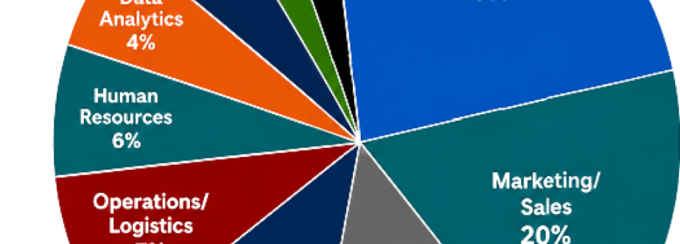
Skills Most Requested by Employers
- Data analytics
- Communication
- Critical thinking
Technical Skills Requested


Excel remains the number one technical skill requested by employers, along with Chat GPT, Gemini, Google Workspace, Power BI, Python, Lotus Notes, Microsoft 365, SAP, SQL, Tableau.

58%
of employers retained
their interns for additional semesters
their interns for additional semesters
27%
of employers offered
full-time jobs
as a result of their internships.
full-time jobs
as a result of their internships.
Internships are more than temporary, they are a pathway to what’s next.
"I’m so proud of our intern and the incredible impact she’s made. She quickly became a valued member of our team, contributing to several key strategic initiatives that will continue to drive our business forward. Her positive attitude and natural ability to build strong cross-functional relationships have made a lasting impression."
Alejandra Alcaraz, Product Manager
Rich Products
"My experience with the CRC team and the program was excellent. Overall, the support, communication and structure of the internship experience have been very positive and helpful in allowing me to grow professionally."
Olivia Pellicane, HR Undergraduate Student


1,264 responses (second-year undergrads, junior and seniors)
Experiential Learning at the UB School of Management includes internships (credit and non-credit bearing), externships, project-based courses and learning, fellowships, global study, independent research, leadership and community service and active club engagement.
Undergraduates
worked part-time jobs
while in school
Second-year undergrads
Juniors
Seniors
Undergraduate
students
reported EL activity
excluding part-time work
Undergraduate
students
reported EL activity
including part-time
employment
Undergraduates
reported an
internship